
What the term means
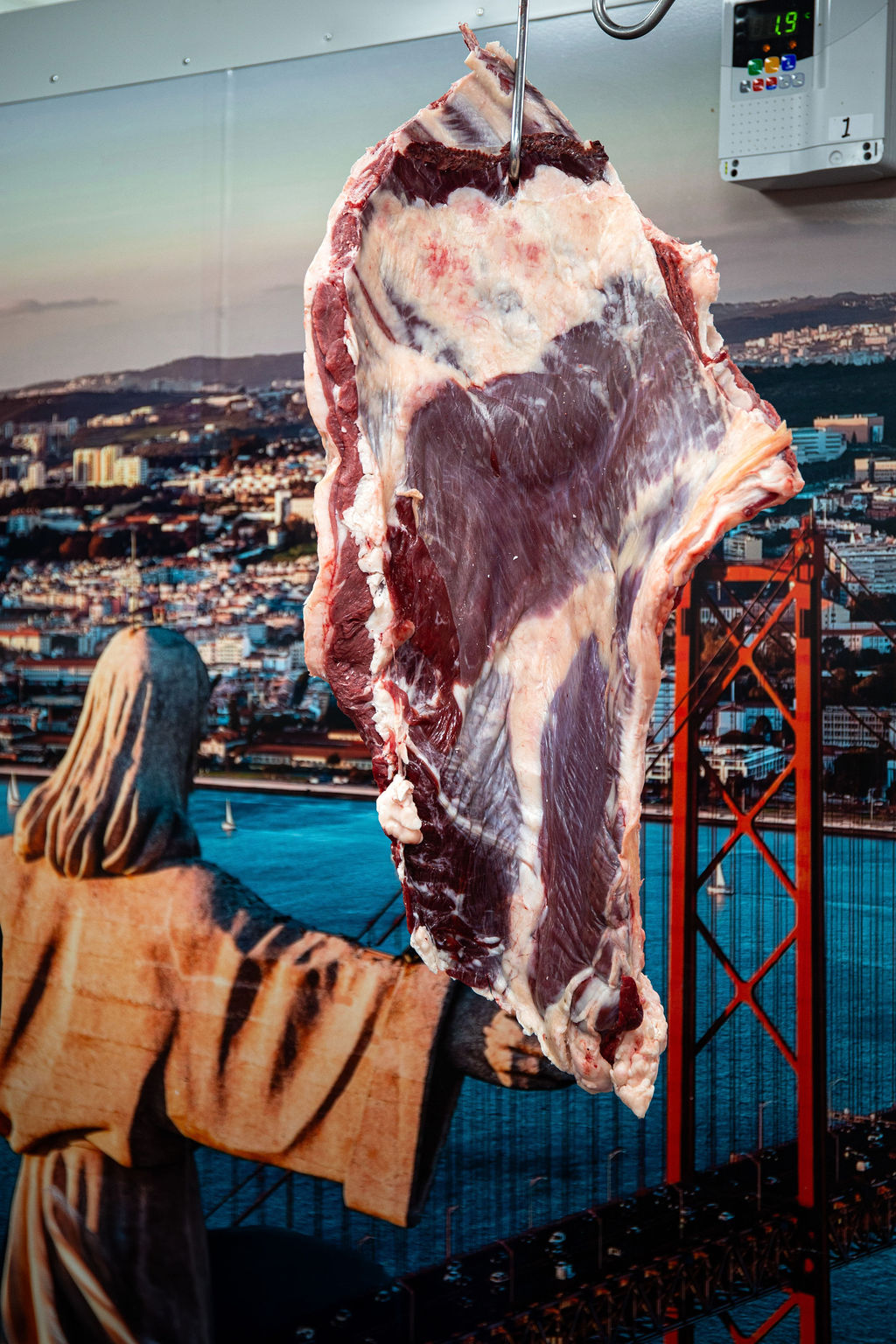
Whole animal butchery describes breaking down and using a whole or part carcass, including cuts beyond the best-known steaks and roasting joints. It is an approach to the animal rather than a guarantee about price, farming standards or every retailer's supply chain. Ask the counter about the origin and preparation of the actual meat you are buying.
Quick-cooking and slow-cooking cuts differ
Some cuts work well with a short, hot cook; others need time and moisture. A properly prepared flat iron can be suitable as a steak, while a piece of featherblade with its connective tissue may suit braising. Names can vary, so explain the dish and ask how the cut has been prepared. Do not assume similar names mean interchangeable pieces.
Look beyond the usual roast
Pork shoulder, lamb neck or breast, and beef shin offer different textures and uses. Check the recipe, cooking time and expected yield before deciding. Bone, fat and trimming affect how much you will serve, so compare more than the price per kilogram. A slower cut can be rewarding when your schedule gives it the time it needs.
Treat offal with care
Liver, kidneys and heart have their own flavours and preparation needs. Follow the Food Standards Agency's advice to cook offal thoroughly until steaming hot all the way through. Do not apply advice for serving an intact beef steak pink to liver or other offal. Ask about cleaning, trimming, storage and cooking before trying an unfamiliar product.
Mince, sausages and rolled meat
These foods need cooking thoroughly because bacteria may be distributed beyond the surface. A browned outside is not enough. Check ingredients and allergens in prepared products and use the FSA's time-and-temperature advice. Ask what a product contains rather than assuming a particular cut or recipe from its appearance.
Use more without buying too much
Bones suitable for stock or a carefully planned second meal can help make use of a purchase. Ask whether the bones or trimmings you want are available and what they cost. Follow safe storage guidance and do not keep leftovers indefinitely simply because they were part of a larger joint. Reducing waste starts with quantities that fit your household.
Try one new cut
Choose one dish you already enjoy, then ask whether a different cut would suit it. Tell the butcher your budget, equipment and time. Confirm preparation charges rather than assuming trimming or rolling is free. A small, well-planned experiment is a useful way to broaden your cooking without making dinner unnecessarily complicated.
Visit Market Food Hall
Find POP Fish, POP Butchers and POP Deli at 33–37 Bridge Street, Peterborough PE1 1HA. Open Tuesday to Saturday, 8:30am–4pm. Talk to POP Butchers, or send an enquiry before your visit. Products and preparation are subject to confirmation by the team.
Cooking reference: Food Standards Agency: cooking your food. Follow current official advice and the instructions supplied with your product.
Different cuts: your questions
Does whole animal butchery mean every cut cooks the same way?
No. The approach makes use of a broader range of cuts, but each has its own texture and preparation needs. Ask whether your chosen cut suits a quick cook, a roast or a longer braise, and select a recipe accordingly.
Are less familiar cuts always cheaper?
No. Availability and demand affect prices. Compare the current price with bone content, trimming and likely portion yield. Ask the butcher about a cut that suits your budget and cooking time instead of assuming that an unfamiliar name means a bargain.
What is a manageable way to try a new cut of meat?
Begin with a dish you already enjoy and ask which alternative cut could work. Tell POP Butchers your equipment, budget and available cooking time. Try a suitable quantity first and confirm any trimming or preparation before buying.