
Choose the experience you want
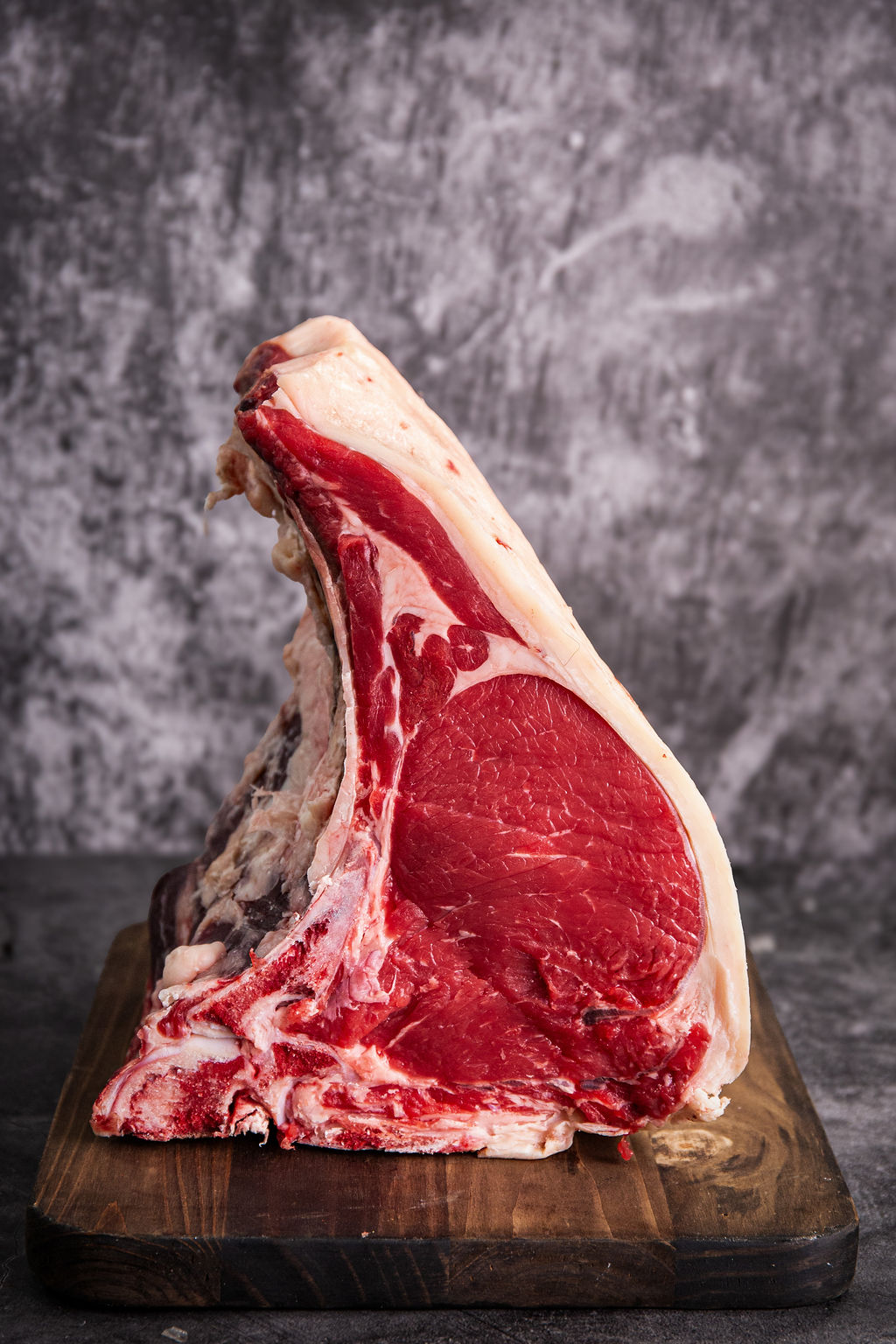
Rib-eye, sirloin, rump and fillet offer different textures and levels of fat. An unfamiliar cut may be worth considering, but compare the actual price and preparation rather than assuming it will be cheaper. Tell the butcher whether you want a quick supper, a steak to share or strips for a recipe, and ask what suits that plan.
Ask about preparation
Thickness affects how a steak cooks, while bones and uneven shapes make timing less predictable. Ask whether the meat is an intact whole cut or has been pierced, tenderised, rolled or otherwise processed. That distinction matters for cooking safely. A rule intended for an intact steak should not be applied to burgers, minced meat or rolled joints.
Set up before you start
Have your accompaniments ready and use separate equipment for raw meat and ready-to-eat food. Follow the product's storage instructions and keep it chilled until preparation. Pat the surface dry, season to your preference and choose a pan suitable for the heat. Do not leave the pan unattended or allow oil to smoke excessively.
Cook according to the cut
Sear the outside thoroughly, including the edges, and use an appropriate recipe and reliable temperature guidance for the actual product. The Food Standards Agency distinguishes intact whole cuts of beef or lamb from foods that need cooking all the way through. If you are unsure about the preparation, cook it thoroughly. We do not give a universal rare-steak temperature that could be misapplied to other meat.
For foods that must be cooked through
The FSA gives 70°C for two minutes, or an equivalent time and temperature combination such as 75°C for 30 seconds, as guidance for thorough cooking. Measure in the centre with a clean food thermometer and follow the guidance for the product. The holding time matters: reaching a number momentarily is not the same instruction.
Rest and slice
Rest the cooked steak briefly in a warm place, then slice across the grain where appropriate. Keep serving boards and utensils clean. A simple sauce, potatoes and a salad are enough; the aim is a meal you can repeat confidently. Follow official storage and reheating advice for any leftovers.
What to ask at POP Butchers
Describe your budget, preferred texture and equipment. Ask about thickness, preparation and the most suitable cooking method. Confirm current cuts and prices at the counter. If you are cooking for a group, agree quantities and any preparation arrangements before planning around a particular cut.
Visit Market Food Hall
Find POP Fish, POP Butchers and POP Deli at 33–37 Bridge Street, Peterborough PE1 1HA. Open Tuesday to Saturday, 8:30am–4pm. Visit your Peterborough butcher, or send an enquiry before your visit. Products and preparation are subject to confirmation by the team.
Cooking reference: Food Standards Agency: cooking your food. Follow current official advice and the instructions supplied with your product.
Choosing steak: questions
Why should I mention steak thickness when buying?
Thickness changes how a steak cooks and how well it suits your pan or grill. Tell the butcher whether you want individual portions or one steak to share. Ask about the cut and its preparation as well as the overall weight.
What should I compare when choosing steak on a budget?
Compare the current price, portion size, bone content and the eating experience you want. Ask which available cuts suit your cooking method. An unfamiliar name does not automatically mean a cheaper steak, and a lower price per kilogram is not the only consideration.
Can I ask POP Butchers for a steak to share?
Yes. Describe your guest numbers, accompaniments and equipment, then discuss the cuts and sizes available. Confirm preparation and price with the team. For a specific cut or date, send an enquiry in advance rather than assuming it will be on the counter.