
Why some cuts suit a long cook
Harder-working muscles can contain connective tissue that softens during a long, moist cook. That makes them useful for stews, braises and pot roasts. A lean steak cut does not necessarily improve when treated the same way. Tell the butcher how long you have and whether you want slices, cubes or meat that pulls apart.
Shin and chuck
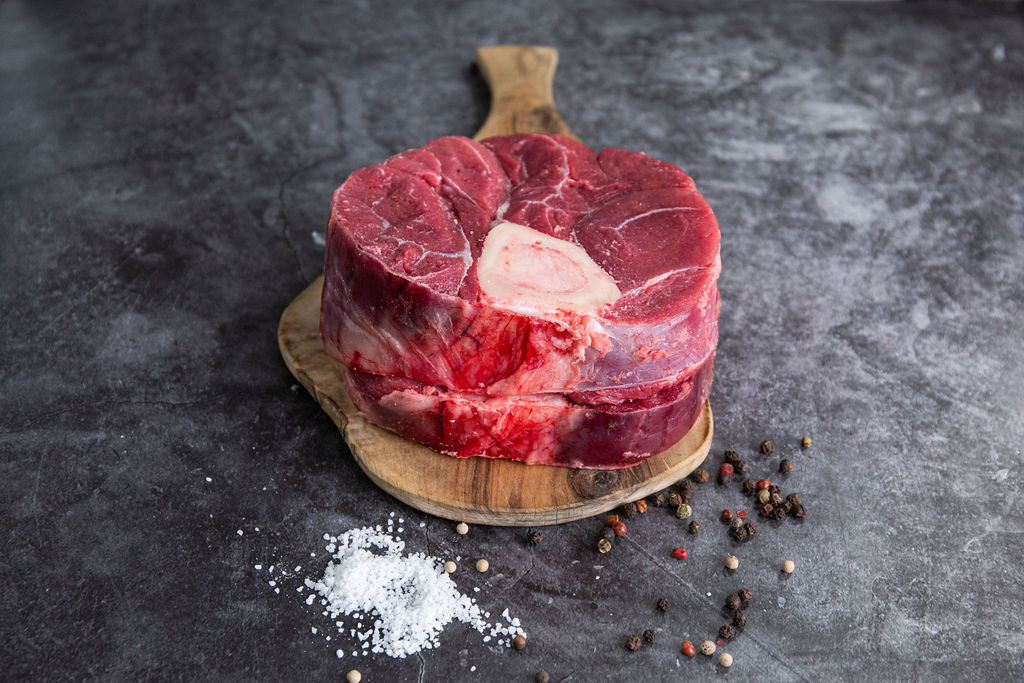
Shin can give a braise body and richness; chuck is a versatile option for a stew. Ask for an even dice if you want pieces that cook at a similar rate. The size of the pieces and the particular cut will affect timing. The label 'stewing beef' can cover different cuts, so ask what is included rather than assuming every pack behaves identically.
Brisket, cheek and oxtail
Brisket can suit a pot roast or a dish that cooks slowly in liquid. Cheek needs patient cooking and appropriate trimming. Oxtail includes bone, so the weight you buy is different from the amount of meat you will serve. Check availability, preparation and price before choosing: an unusual cut is not automatically inexpensive.
Build flavour in stages
Use a recipe suited to your cut and equipment. Browning in manageable batches can add flavour, while onions and other vegetables form the base. Add enough appropriate liquid for the method and keep the pot from drying out. Use a slow cooker according to its manufacturer's instructions; an oven recipe cannot always be transferred unchanged.
Tenderness and safety are separate checks
A braise needs enough time to become tender as well as safe cooking. Tough meat may need longer at a gentle heat, but do not rely on texture alone for safety. Follow the Food Standards Agency's guidance for thorough cooking and use a clean thermometer where appropriate. Be careful tasting sauces before all raw ingredients are cooked.
Finish carefully
Long cooking concentrates both liquid and seasoning. Taste once safely cooked, adjust gradually and add a little acidity if the dish needs brightness. Choose accompaniments that make use of the sauce, such as potatoes, rice or bread. Portion sensibly, and follow official guidance for cooling, refrigeration, freezing and reheating any extra servings.
Ask for a meal, not just a cut
Tell POP Butchers how many people you are feeding, the cooking time available and your budget. Explain whether you need boneless portions and whether you are using an oven, hob or slow cooker. Ask for the current price and likely yield. A conversation about the meal makes it easier to compare the options on the counter.
Visit Market Food Hall
Find POP Fish, POP Butchers and POP Deli at 33–37 Bridge Street, Peterborough PE1 1HA. Open Tuesday to Saturday, 8:30am–4pm. Shop at the city-centre butcher, or send an enquiry before your visit. Products and preparation are subject to confirmation by the team.
Cooking reference: Food Standards Agency: cooking your food. Follow current official advice and the instructions supplied with your product.
Slow-cooking beef questions
Is all stewing beef the same cut?
No. A stewing-beef description can cover different cuts. Ask which cut is being offered, how it has been prepared and whether it suits your recipe. Piece size and structure influence cooking, so that information helps you plan a more consistent result.
Should I ask for an even dice for a beef stew?
Similar-sized pieces can make a stew easier to cook consistently. Explain the recipe and size you need when asking about preparation. The butcher can confirm what is possible for the available cut, along with quantity and price.
What details help a butcher recommend beef for a slow cooker?
Tell the team how many people you are feeding, the time available and whether you want cubes, slices or meat that pulls apart. Say that you are using a slow cooker, and choose a recipe suited to both the cut and your equipment.